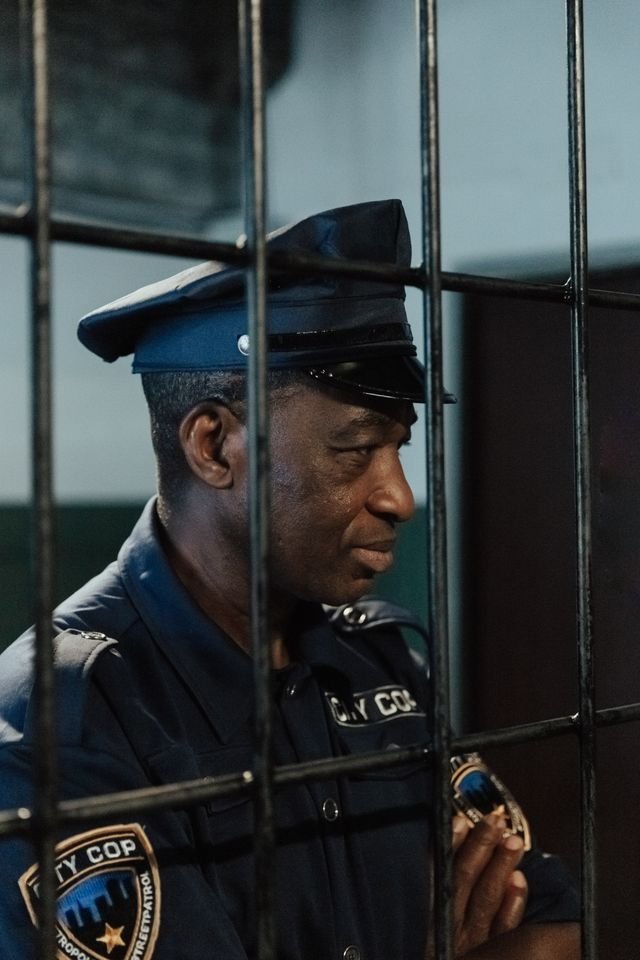
security guard Melbourne choosing the right security company in Melbourne is an important decision for businesses, property owners and event organisers. The provider you select may be responsible for protecting people, monitoring access, responding to incidents and helping reduce risks across your site.
However, comparing security companies is not simply a matter of choosing the lowest hourly rate. A provider may offer excellent service for one type of property but have limited experience with another. Retail stores, construction sites, warehouses, offices, apartment buildings and events all require different security arrangements.
The right choice depends on your risks, operating hours, site layout, required duties, licensing and the quality of the provider’s procedures. This guide explains what to look for when comparing security companies in Melbourne and how to make a more informed decision before signing a contract.
Identify Your Security Requirements First
Before contacting security companies, define what you need the guards to do. A provider can only recommend suitable coverage after understanding your property and the risks involved.
Start by considering:
- What type of property needs protection?
- Is the site occupied during the day or vacant overnight?
- Are there valuable goods, machinery or equipment on-site?
- Are staff dealing with customers or members of the public?
- Are there restricted areas or multiple entry points?
- Has the property experienced theft, vandalism or trespassing?
- Do you need security every day or only during specific periods?
- Is the service required for a short-term project or ongoing contract?
For example, a construction site may need gate control, equipment protection and overnight patrols. A retail store may need visible loss-prevention support and assistance with difficult customer incidents. An office building may require reception security, visitor management and after-hours access control.
A clear brief will make it easier to compare quotes and avoid paying for services that do not match your actual needs.
Check Licensing and Legal Compliance
Security work in Victoria is regulated. Businesses should confirm that the security company and the guards supplied are appropriately licensed for the duties they will perform.
This is particularly important because not all security activities are identical. Static guarding, crowd control, monitoring and other security-related duties may involve different licensing requirements.
Before engaging a provider, ask for confirmation of:
- The company’s relevant Victorian security licence
- The individual guards’ required licences or authorities
- The type of activities covered by those licences
- Any relevant endorsements or conditions
- The process used to check licence validity
- Whether subcontractors are used
Do not rely only on a company logo, uniform or verbal assurance. Ask for clear documentation and verify current requirements through the relevant Victorian government channels.
A reputable provider should be comfortable explaining its compliance process. If a company avoids questions about licensing or provides unclear answers, treat that as a warning sign.
Look for Experience Relevant to Your Industry
A security guard’s skills and experience should match the environment in which they will work.
Retail and Shopping Centres
Retail security requires more than watching entrances. Guards may need to manage customer disputes, observe potential theft, support staff and respond appropriately to aggressive behaviour.
Look for experience in:
- Loss prevention
- Customer-facing security
- Conflict management
- Incident reporting
- Working around children and families
- Coordinating with store management
Construction Sites
Construction sites often have changing layouts, temporary fencing, expensive equipment and multiple contractors. Security personnel should understand access control, patrol routines and the risks associated with incomplete structures.
Ask whether the provider has experience with:
- Overnight site security
- Contractor and visitor checks
- Equipment protection
- Gatehouse operations
- Patrol reporting
- Site handover procedures
Commercial Offices
Office buildings may require a professional appearance as well as effective security. Guards may be expected to manage reception, monitor visitors, issue passes and respond to after-hours access concerns.
For these sites, communication skills, presentation and discretion are especially important.
Events and Crowd Control
Event security requires planning around attendance, venue layout, entry screening, queues, restricted areas and emergency exits. Confirm that the personnel supplied are appropriately authorised and experienced for the event duties.
The provider should also be able to explain how supervisors, venue management and emergency services will communicate if an incident occurs.
Evaluate the Company’s Recruitment and Training
The quality of a security service depends heavily on the people assigned to the job. Ask how the company recruits, screens, trains and supervises its guards.
Useful questions include:
- How are guards selected for different assignments?
- Are background checks completed where required?
- What training do guards receive?
- Are guards trained in conflict management?
- Is first aid training available where relevant?
- How are new guards introduced to the site?
- Does the company provide refresher training?
- How does management handle poor performance?
A guard who is suitable for a warehouse may not be the right choice for a corporate reception desk or busy retail environment.
You should also ask whether the same guards will normally attend your site. Consistency can help guards become familiar with access points, staff, routines and potential problems. If regular guards are unavailable, the provider should have a reliable replacement and handover process.
Review Supervision and Communication
A security company should have a clear management structure behind the guards working on your property. You need to know who is responsible for checking performance, handling incidents and responding to your concerns.
Ask about:
- Site supervisors
- Management contact details
- After-hours escalation
- Guard check-in procedures
- Patrol verification
- Incident notification
- Shift handover
- Emergency communication
- Regular performance reviews
A company that only provides a guard without proper supervision may be difficult to manage when something goes wrong.
Find out how quickly the business will be notified of serious incidents. Some situations may require immediate phone contact, while routine reports may be delivered at the end of a shift or through an online system.
The reporting format should be practical and easy to review. Reports may include the time of the incident, location, people involved, actions taken and any recommended follow-up.
Compare the Scope of Work, Not Just the Price
Security quotes can be difficult to compare when each provider includes different services. One quote may cover only a uniformed guard, while another may include supervision, detailed reports, patrol checks and replacement coverage.
Before comparing prices, ask every company to quote against the same scope of work.
The proposal should clearly explain:
- Number of guards
- Start and finish times
- Days of coverage
- Guard duties
- Patrol frequency
- Break arrangements
- Supervisor involvement
- Equipment supplied
- Reporting requirements
- Public holiday or weekend rates
- Cancellation conditions
- Additional charges
- Replacement arrangements
Hourly rates may vary according to the assignment, time of day, qualifications, risk level and contract length. A low price is not necessarily good value if the provider cannot deliver reliable coverage.
Avoid signing an agreement that contains vague wording such as “general security duties” without explaining what those duties include.
Confirm Insurance and Risk Management Procedures
Professional security work carries operational risks. Ask the company about its insurance arrangements and how it manages incidents involving staff, customers, visitors and property.
Relevant questions may cover:
- Public liability insurance
- Workers compensation arrangements
- Incident investigation
- Complaints handling
- Injury response
- Use-of-force policies
- Privacy and information handling
- Lost property procedures
- Emergency escalation
The provider should be able to explain the limits of a guard’s role. Security personnel should follow lawful procedures, avoid unnecessary confrontation and contact police or emergency services when an incident is beyond their authority or capability.
Businesses should also understand that security guards are not a substitute for fire systems, alarms, access-control technology or emergency planning. The best approach may combine physical security with suitable electronic systems and clear internal procedures.
Request References and Review Reputation Carefully
Before selecting a company, ask whether it can provide relevant business references or examples of the type of work it performs. The most useful reference is from a client with a similar property, operating schedule or security requirement.
When reviewing a provider, consider:
- How long it has operated
- Whether it has experience in your industry
- The quality of its communication
- How clearly it explains its services
- Whether its documentation is professional
- How it handles complaints
- Whether guards arrive on time and in suitable uniform
- Whether reports are complete and consistent
Online reviews can provide additional context, but they should not be the only basis for a decision. Look for patterns rather than relying on one unusually positive or negative comment.
A provider that responds professionally to questions and explains limitations clearly is often easier to work with than one that makes broad promises without details.
Common Mistakes to Avoid
Choosing the Cheapest Quote
The lowest quote may exclude supervision, reporting, suitable guard selection or replacement coverage. Compare the full service before making a decision.
Failing to Inspect the Site
A provider should understand entrances, blind spots, lighting, restricted areas, staff routines and potential hazards before recommending coverage.
Assuming Every Guard Has the Same Skills
Security duties vary considerably. Choose guards with experience suited to your industry and customer environment.
Ignoring the Contract Details
Check cancellation terms, additional charges, public holiday rates, reporting obligations and replacement procedures before signing.
Not Defining Emergency Procedures
Your staff should know who to contact, when to call emergency services and how the security provider will respond.
Changing Providers Without a Handover
If you move from one security company to another, arrange a proper handover covering keys, access cards, patrol points, incident history and site instructions.
Frequently Asked Questions
How do I know if a security company in Melbourne is legitimate?
Ask for current licensing information, company details, insurance confirmation and a written service proposal. Verify that guards are authorised for the duties they will perform.
Should I hire a large security company or a smaller provider?
Both may be suitable. A larger provider may offer broader resources and replacement capacity, while a smaller company may provide more direct management contact. Compare the actual service rather than company size alone.
What should be included in a security contract?
The contract should explain guard numbers, hours, duties, reporting, supervision, pricing, additional charges, cancellation terms and replacement arrangements.
Can security companies provide guards at short notice?
Some providers may offer short-term or urgent coverage, but availability depends on staffing, location, risk level and the required start time. Explain your requirements as early as possible.
How often should security arrangements be reviewed?
Review the arrangement when the site layout, operating hours, staffing, risk level or business activities change. Regular reviews can also identify recurring incidents and service gaps.
Is a security guard enough to protect a business?
A guard can provide a visible presence, monitoring and on-site response, but security is usually strongest when combined with suitable lighting, locks, alarms, CCTV, access control and staff procedures.
Final Thoughts
Choosing the right security company in Melbourne requires more than comparing hourly rates. The provider should understand your industry, supply appropriately licensed guards, offer clear communication and provide a written service that matches your actual risks.
Start by identifying your security requirements, then compare companies based on licensing, experience, training, supervision, reporting, insurance and contract terms. Ask detailed questions and make sure the provider can explain how it will manage everyday duties as well as unexpected incidents.
If your business is reviewing its current security arrangements, arrange a site assessment with a professional security company. A detailed discussion about your property, operating hours and concerns will help you compare suitable options and develop a security plan that fits your business.